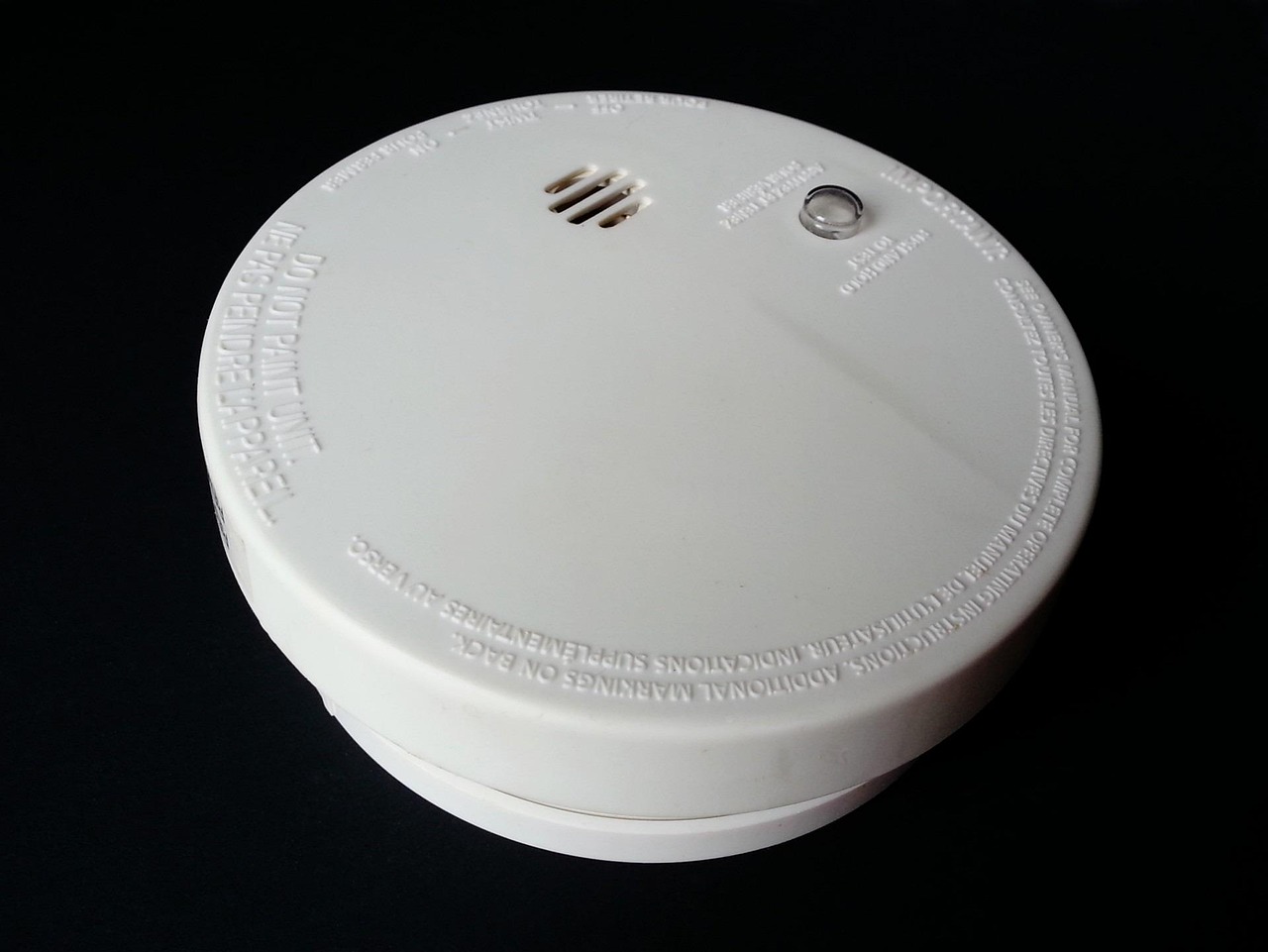
Photo from Pixabay (free license)
False Fire Alarms Cost Billions: How AI-Powered Detection Is Solving the Problem in 2026
Up to 98% of fire alarm activations are false alarms, costing a billion dollars annually in emergency response. New AI-powered multi-sensor detection systems can cut false alarms by up to 95%, while municipalities impose escalating fines on property owners with repeat offenses.
Key Takeaways
- Up to 98% of automatic fire alarm activations are false alarms, costing fire departments up to $500 per response and creating a billion-dollar problem nationwide.
- AI-powered multi-sensor fire detection systems can reduce false alarms by up to 95% by analyzing patterns across smoke, heat, and gas data — distinguishing cooking smoke from actual fire threats.
- Municipalities are cracking down: cities like Encinitas, CA now fine property owners up to $500 for repeat false alarms, making smart alarm upgrades a financial necessity.
The Scale of the False Alarm Problem
False fire alarms are one of the most expensive and dangerous problems in building safety. According to IFSEC Global, up to 98% of automatic fire alarm activations are false alarms. Each false response costs a fire department up to $500 in personnel, equipment, and fuel — and those costs add up to a billion-dollar burden on emergency services nationwide.
But the cost isn't just financial. Every false alarm response means fire trucks are unavailable for real emergencies. Building occupants become desensitized — the "cry wolf" effect — and may ignore alarms during actual fires. For property managers, false alarms mean tenant complaints, business disruption, and increasingly steep fines from municipalities.
Why Traditional Fire Alarms Fail
Most commercial buildings still rely on single-sensor fire alarm systems — typically photoelectric smoke detectors that trigger when any particles enter the sensing chamber. The problem: cooking smoke, steam, dust, and even insects can set them off just as easily as actual fire smoke.
In restaurants, hotels, and multi-family residential buildings, this creates a constant battle between sensitivity (catching real fires early) and specificity (ignoring non-fire triggers). Traditional systems are essentially binary — smoke detected or not — with no ability to analyze context.
How AI and Multi-Sensor Technology Changes the Game
The latest generation of smart fire detection systems use artificial intelligence and multi-criteria sensors to solve this problem. Instead of relying on a single smoke sensor, these systems combine multiple data points:
- Photoelectric smoke detection — identifies slow, smoldering fires
- Ionization sensing — detects fast-burning, flaming fires
- Heat sensors — measures rate of temperature rise
- Carbon monoxide detection — identifies combustion byproducts
- Video analytics — cameras visually confirm fire presence
The AI layer analyzes patterns across all sensors simultaneously. It learns what "normal" looks like for each specific environment — a kitchen versus an office versus a warehouse — and only triggers an alarm when the data pattern matches genuine fire behavior. According to Consulting-Specifying Engineer, these algorithms "distinguish between normal conditions for a given environment as compared to deviations from the norm," dramatically reducing false activations.
Smart Building Integration
Modern fire alarm systems don't operate in isolation. Through IoT connectivity, they integrate with building automation systems to provide:
- Remote monitoring — facility managers receive real-time alerts on dashboards and mobile apps
- Automated HVAC response — air handling systems can shut down automatically to prevent smoke spread
- Targeted notifications — voice-based, location-specific evacuation instructions instead of building-wide alarms
- Predictive maintenance — sensors alert when detectors need cleaning or replacement before they cause false alarms
Municipalities Are Getting Tougher on False Alarms
Cities across the country are imposing escalating fines on property owners with excessive false alarms. As of March 2026, Encinitas, California raised its false alarm fines: $75 for a third offense, $150 for a fourth, and $500 for six or more within a year. Many other jurisdictions charge $200-$500 per false dispatch after the first or second occurrence.
For building owners, the math is clear: investing in a smart detection system upgrade often pays for itself within a year through reduced fines and lower insurance premiums.
What Building Owners Should Do
- Audit your current system — How many false alarms has your building had in the past year? Check with your fire alarm inspection provider
- Consider a multi-sensor upgrade — Especially for buildings with kitchens, high-dust areas, or high-humidity spaces
- Ensure NFPA 72 compliance — Your alarm system must meet current code regardless of technology type
- Check your jurisdiction's false alarm policies — Use our Compliance Lookup Tool to find your local AHJ requirements
- Get quotes from licensed fire alarm companies for a system assessment
Sources
Need fire protection services?
Find licensed companies near you and get free quotes.