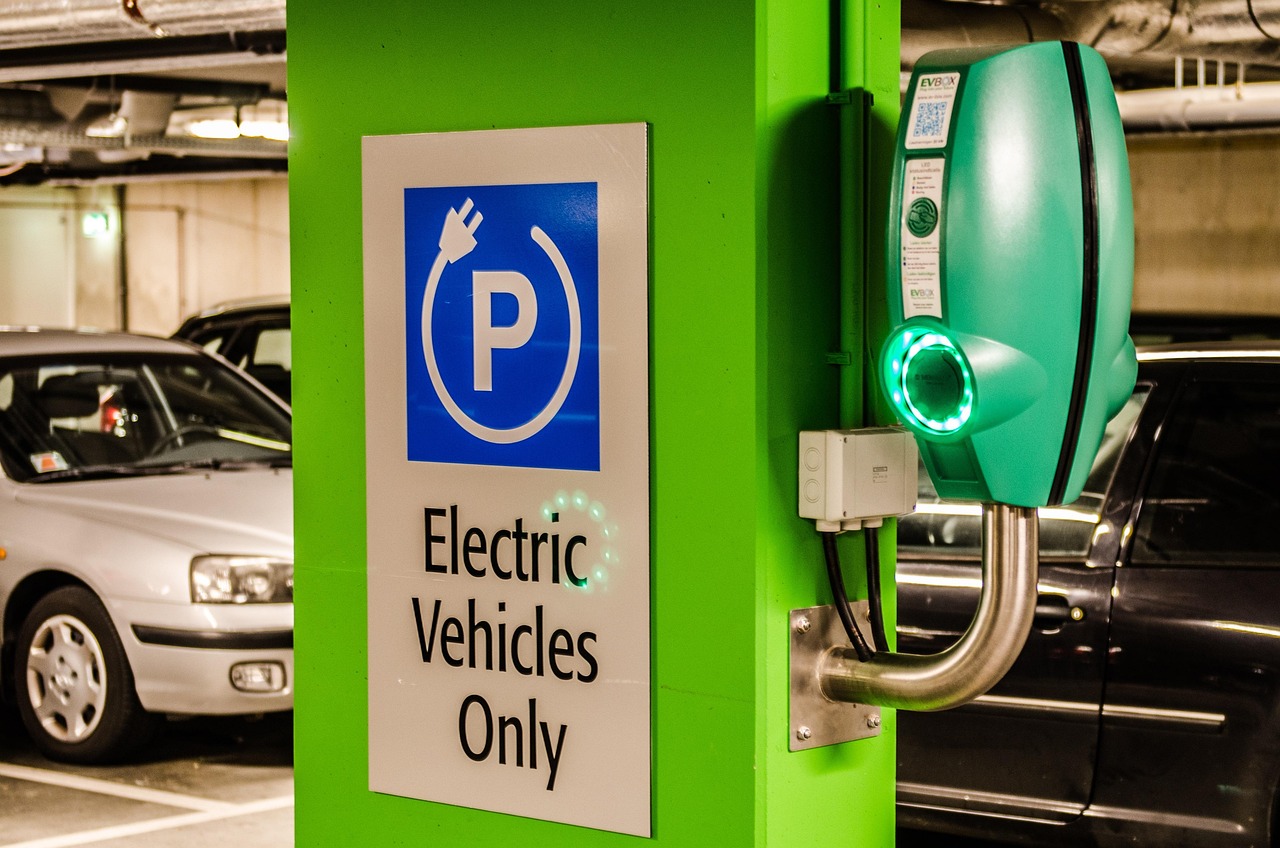
Photo from Pixabay (free license)
Class L: The New Fire Classification for Lithium-Ion Battery Fires That Every Building Owner Needs to Know
ISO 3941:2026 introduces Class L — a new fire classification for lithium-ion battery fires. After a devastating Glasgow fire involving battery charging equipment required 200+ firefighters, the new standard formally recognizes that traditional fire suppression cannot stop lithium-ion thermal runaway.
Key Takeaways
- ISO 3941:2026 creates "Class L" — a new fire classification specifically for lithium-ion battery fires, recognizing they behave fundamentally differently from traditional fires and require specialized suppression approaches.
- A March 2026 fire in Glasgow, suspected to originate from lithium-ion batteries in a vape shop, required 200+ firefighters and shut down Scotland's busiest railway station — highlighting the growing risk in commercial buildings.
- Traditional fire sprinkler systems alone cannot stop lithium-ion thermal runaway; building owners with EV charging, battery storage, or e-bike/scooter charging areas need updated fire risk assessments under the new Class L framework.
A New Category of Fire Risk
The fire protection industry has officially recognized what firefighters have known for years: lithium-ion battery fires don't behave like normal fires. The newly published ISO 3941:2026 standard introduces Class L — a dedicated fire classification for lithium-ion battery systems — joining the familiar Classes A through F that have defined fire safety for decades.
This isn't just a bureaucratic update. Class L formally acknowledges that lithium-ion failures involve internal electrochemical reactions, not external fuel sources. The fire behavior is fundamentally different: thermal runaway can reach temperatures above 600°C, spread between adjacent cells within seconds, and re-ignite hours after visible flames are extinguished.
Glasgow Fire: A Real-World Warning
On March 8, 2026, a major fire erupted in a five-storey Victorian building adjacent to Glasgow Central Station. The blaze began around 3:45 PM in a ground-floor vape shop, where it appeared to start among lithium-ion battery charging equipment. An eyewitness reported seeing "an adapter charging system — full of chargers — under the counter and a small fire" before an explosion occurred.
Over 200 firefighters responded. Scotland's busiest railway hub was shut down. The 1851 heritage building suffered devastating damage. While authorities haven't formally confirmed the cause, the incident underscores the compounding risk when large concentrations of lithium-ion batteries are stored in commercial settings without adequate fire protection.
Why Traditional Fire Protection Falls Short
Here's the critical problem for building owners: your existing fire sprinkler system alone cannot stop a lithium-ion thermal runaway. Traditional suppression systems address surface flames, but lithium-ion fires propagate internally at the cell level. Even after visible flames are extinguished, stored electrochemical energy can trigger re-ignition hours later.
Under the new Class L framework, fire protection for lithium-ion systems requires:
- Cell-level propagation control — preventing fire spread between battery cells
- Continuous thermal absorption — sustained cooling, not just surface water
- Gas management — ventilation for hydrogen, carbon monoxide, and hydrogen fluoride gases released during thermal runaway
- Re-ignition monitoring — extended surveillance after initial suppression
Which Buildings Are Affected?
If your building has any of the following, the new Class L classification applies to your fire risk assessment:
- EV charging stations in parking garages — now also subject to new NFPA 70 emergency disconnect requirements
- Battery energy storage systems (BESS) for solar or backup power
- E-bike or e-scooter charging areas in commercial or residential buildings
- UPS (Uninterruptible Power Supply) rooms in data centers and commercial buildings
- Retail locations selling or servicing devices with lithium-ion batteries
In New York City, the FDNY has been particularly aggressive on lithium-ion safety, and New York State adopted new regulations effective January 2026 requiring safety tags on charging equipment for micromobility devices.
What Building Owners Should Do Now
- Review your fire risk assessment — Does it specifically address lithium-ion battery hazards? Under Class L, generic electrical hazard classifications are no longer sufficient
- Consult your fire protection provider — Discuss whether your current systems adequately address thermal runaway risks. Request quotes from specialists familiar with NFPA 855 requirements
- Check your insurance — Insurers are increasingly applying Class L frameworks to coverage decisions. Non-compliance could affect your policy
- Use our Compliance Lookup Tool to verify your jurisdiction's current requirements for battery storage and EV charging installations
Need fire protection services?
Find licensed companies near you and get free quotes.